

When I Knew Something Was Different
Happy Birthday month to my younger son! And for the sake of this blog post & his privacy, call-sign: Bullseye. When Bullseye was born, I knew within just a month or two that something was very different with his eyes. That momma intuition is there for a reason!
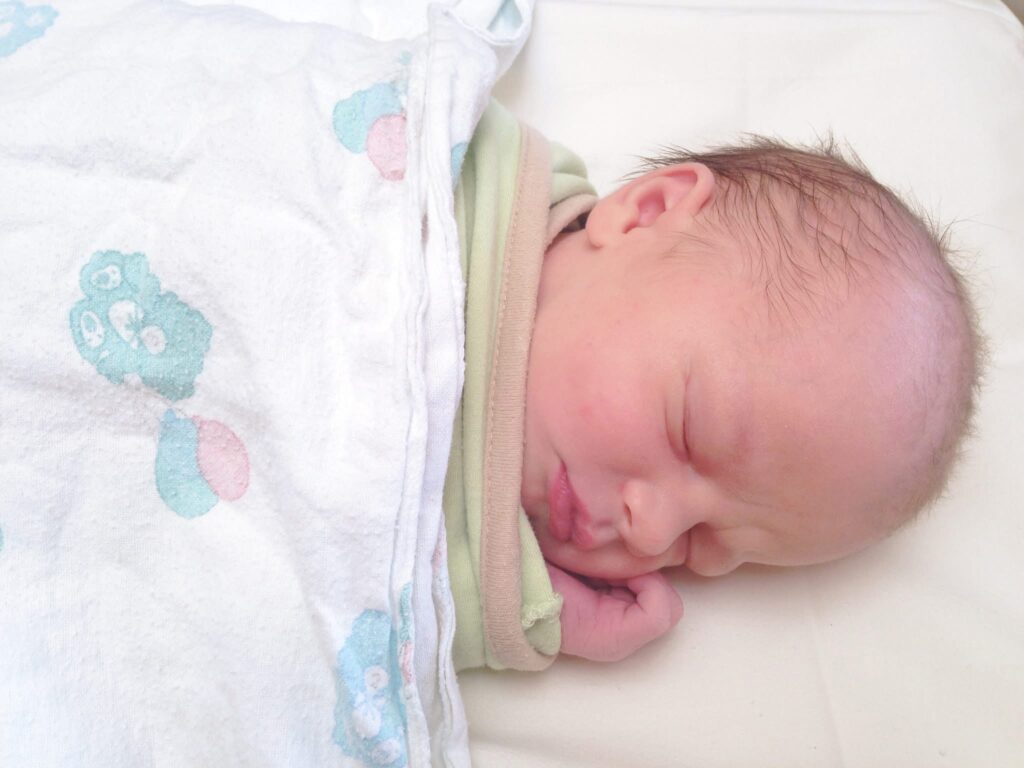
I mentioned it to our pediatrician. He faked a gentle smile (not fooling this momma) and kindly said, “Sometimes eyes take a little while to settle. Let’s look again in a couple of months.”
Sure enough, at the next visit, he took one look and immediately referred us to an eye specialist. From that day forward—when Bullseye was just four months old—I hit the ground running on what would become my crash-course in vision science and neuroplasticity.
We began seeing eye doctors, physical therapists, occupational therapists, and specialists at the Anchor Center. Eventually, we added vision therapy to the mix—life-changing, but not a cure-all. It was just the beginning of a long road toward helping his brain and eyes learn to work together.
The Deep Dive Into Vision Therapy and Neuroplasticity
If you know me, you know that when I dive into something, I really dive in—especially when it’s for my kids.
One of the first books I read for Bullseye was Fixing My Gaze by neuroscientist Susan R. Barry (often called “Stereo Sue”). Her story of learning to see in 3-D as an adult gave me enormous hope—especially because her diagnosis is nearly identical to my son’s.
For context, my own dad was born with alternating esotropia. In the 1950s, the only “solution” was surgery. His brain over-corrected the repair, leaving him with lifelong alternating exotropia instead—proof that surgery can’t always fix what the brain hasn’t learned to do. So when people ask, “Can’t surgery fix your son’s eyes?” the answer is no. This goes deeper than muscle alignment.
During my son’s early years, I discovered Norman Doidge’s research on neuroplasticity—especially The Brain That Changes Itself and The Brain’s Way of Healing. Those books reminded me that the brain, like the heart, can grow stronger through persistence and training.
For years, we worked tirelessly—eye patches, convergence games, 3-D glasses, primitive reflexes, vision therapy sessions, and daily encouragement. Slowly but surely, progress came. Here he is at 3 years old, in the “early years” of vision therapy! His little orange Miraflex glasses were 100% his trademark!
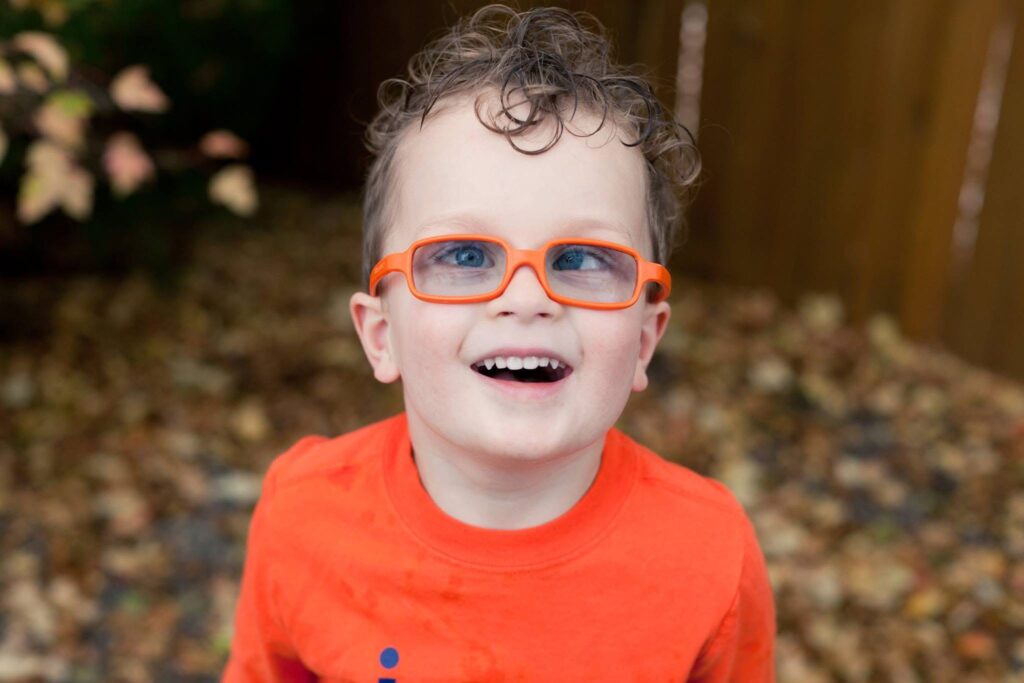
Bullseye learned to control when his eyes “switched,” to turn on double vision (and mercifully, he could turn it off again), and to catch a ball with what I lovingly call “Spiderman senses”—though ball-sports will never be his thing. Learning to live in a 3-D world with 2-D vision means navigating life differently, but with incredible adaptability.
This mama used to watch him (ok, hover-craft around him) on playgrounds—no depth perception, no fear, no hesitation, minimal visual cues—and my heart would stop. Yet, here we are. Those quiet victories, unseen by most, were monumental to us.
A Brilliant Mind, a Narrowed Path
Fast-forward to recent years: we confirmed my son is what’s called twice-exceptional—gifted, quirky, and brilliant, while also living with both autism and ADHD (or AuDHD). His mind runs like a rocket engine: endlessly curious, intensely focused, both gifted and vulnerable.
And one of his deepest passions? Aviation.
He’s spent countless hours on flight-simulator apps, memorizing every gauge, every system. He could be the tour guide at an air museum (realizing another one of his dreams at the National Museum of the United States Airforce in Ohio last October!). He certainly knew all about the Cessna Skyhawk 172 flown at Front Range Flight School in Watkins, Colorado.
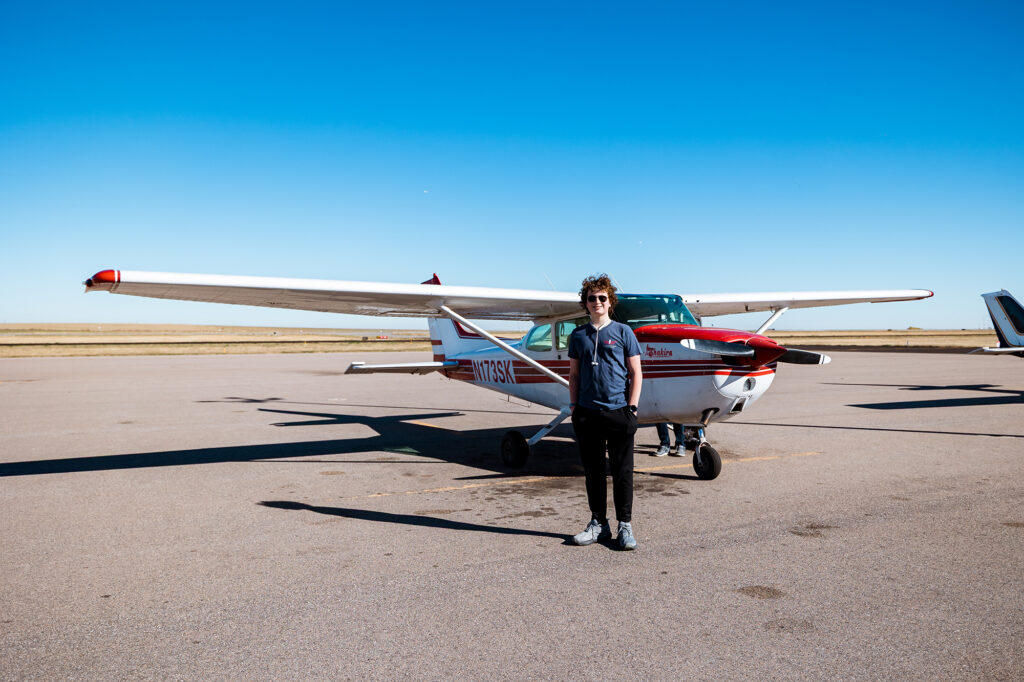
But because of his vision challenges, certain aviation paths remain closed to him, barring a miracle. It’s a painful irony when your greatest passion is paired with a physical barrier that keeps it partly out of reach.
Still, I see God’s hand in Bullseye’s story & he does, too—refining his perseverance, shaping his compassion, and using his fascination with flight to remind us that some dreams are meant to lift us higher, even if they don’t take the precise direction we hoped for.
The Comfort Crisis and a Life of Misogi
As of writing this, I’m wrapping up the book The Comfort Crisis by Michael Easter, and one concept struck me hard: misogi—the idea of intentionally doing hard things that have a real chance of failure. Things that stretch us beyond comfort, beyond certainty.
I realized my son’s entire life has been a kind of misogi.
His vision makes almost everything harder. There’s no autopilot for him—just constant adaptation. Every sport, every project, every task requires extra energy and resilience.
So, when I finally saw him climb into that small Cessna airplane, I thought, This is his misogi. Not because we feared crashing—but because doing something that demands courage and carries risk is what builds character, confidence, and joy.
Watching him take off felt like watching years of hard things come full circle.
The Flight That Finally Happened
Last year, I tried to organize a surprise birthday experience—a first flight in a private plane. Weather and scheduling got in the way, and it never happened.
This year, in what can only be described as God’s perfect timing, it finally did.
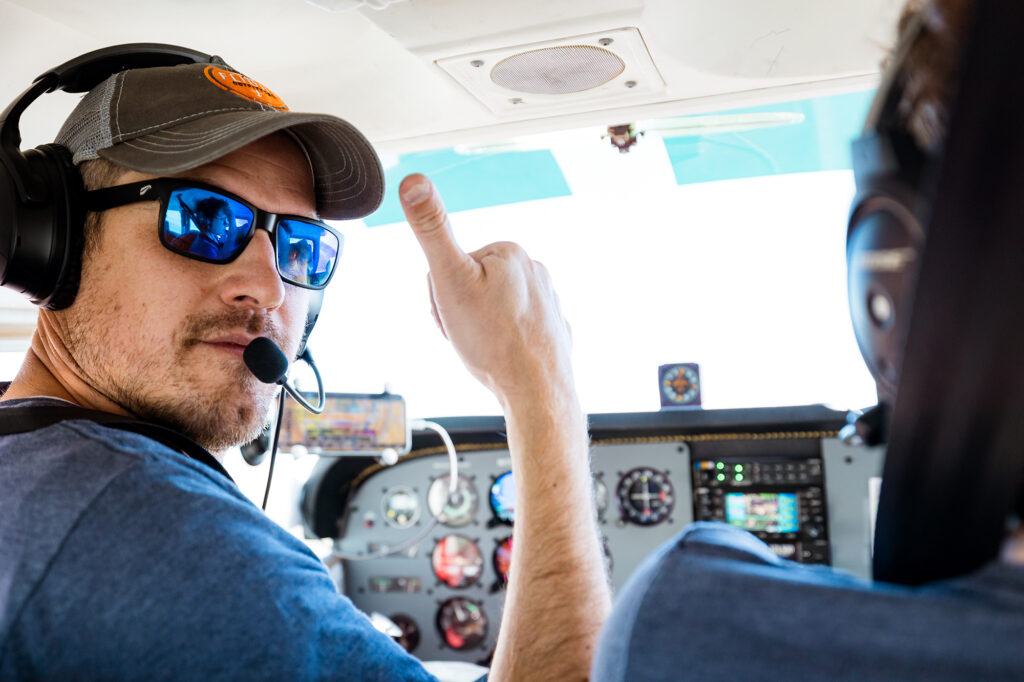
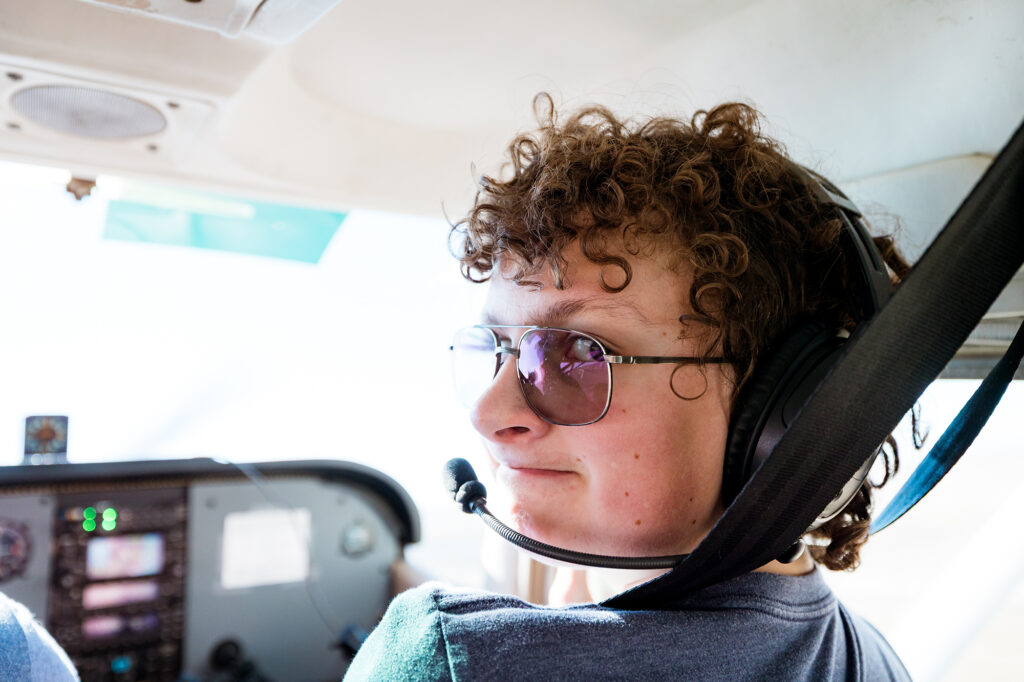
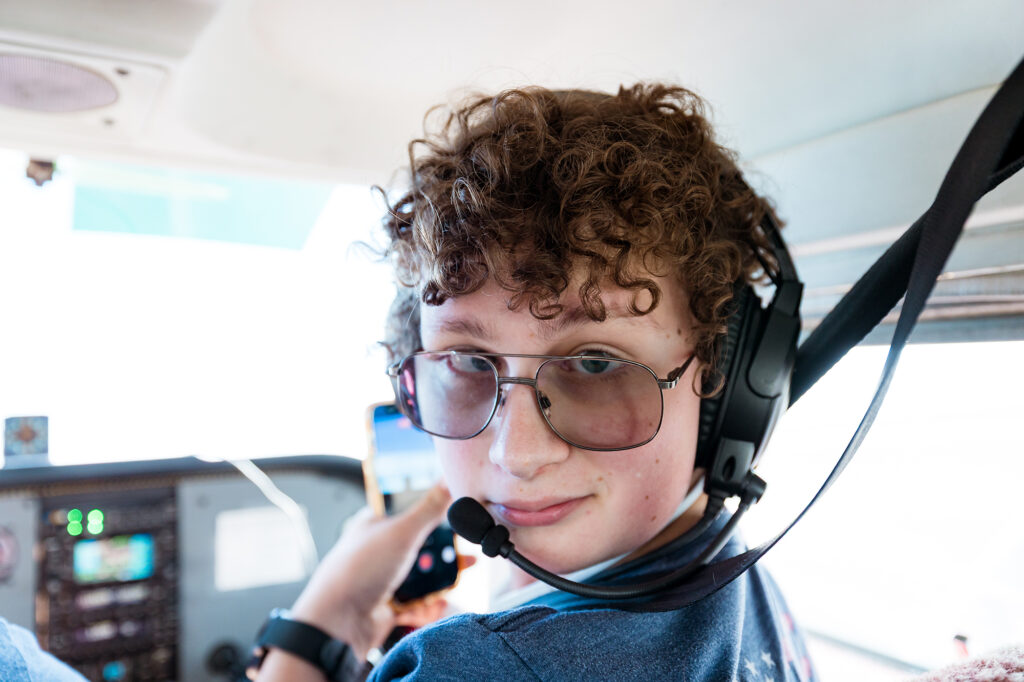
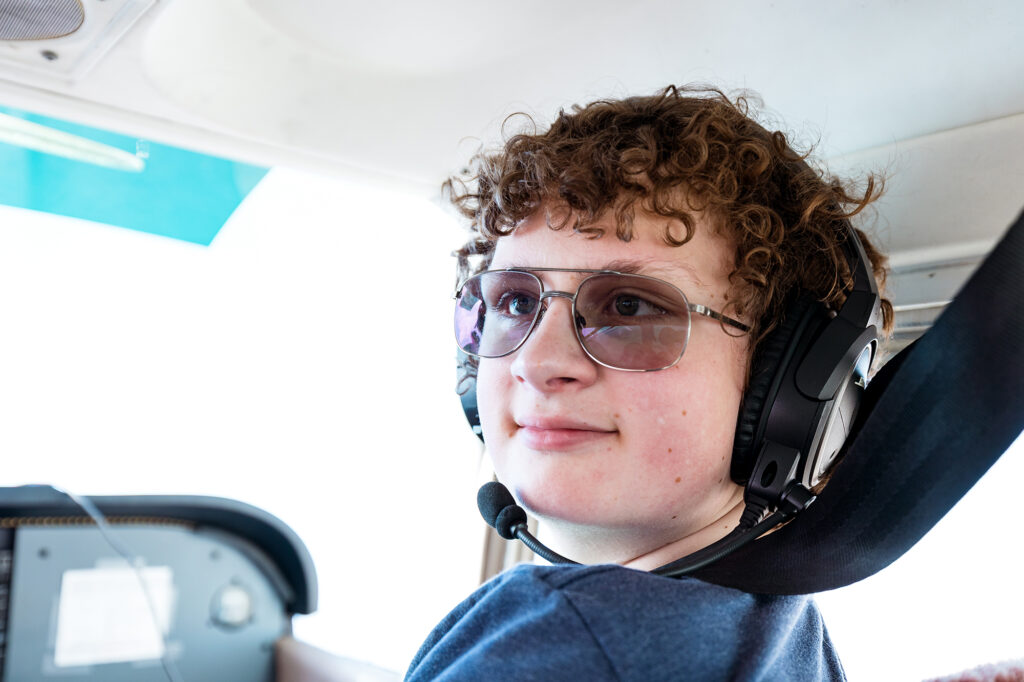
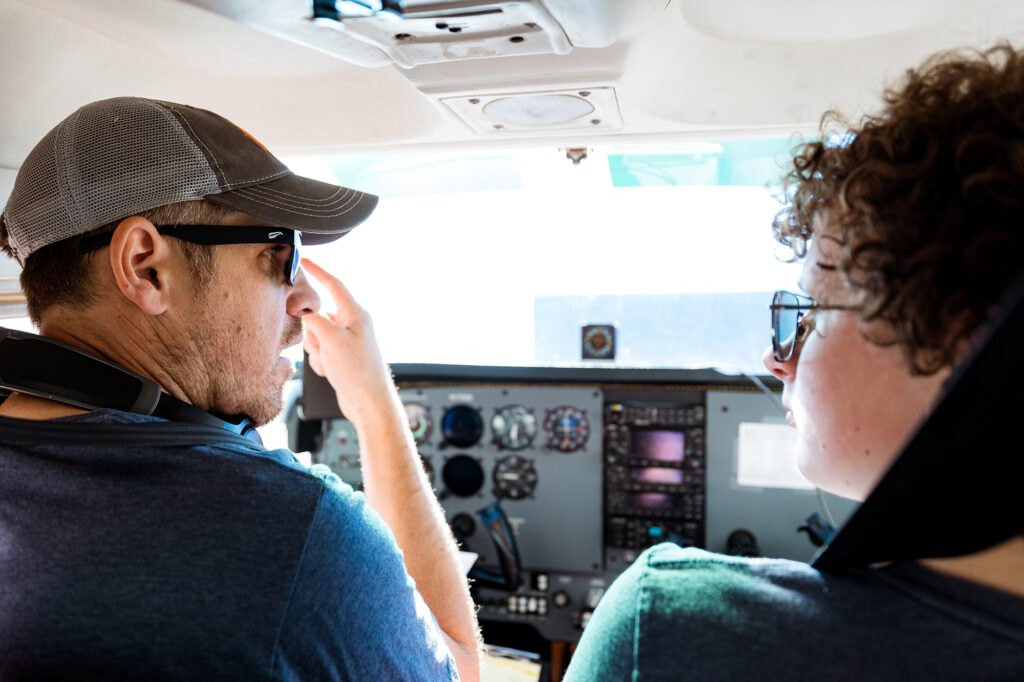
Some family members connected us with a pilot who was thrilled to help make this dream come true this year. One crisp October morning, under the bright northern Colorado sky, my son climbed into the cockpit of a Cessna Skyhawk at a local Front Range flight school.
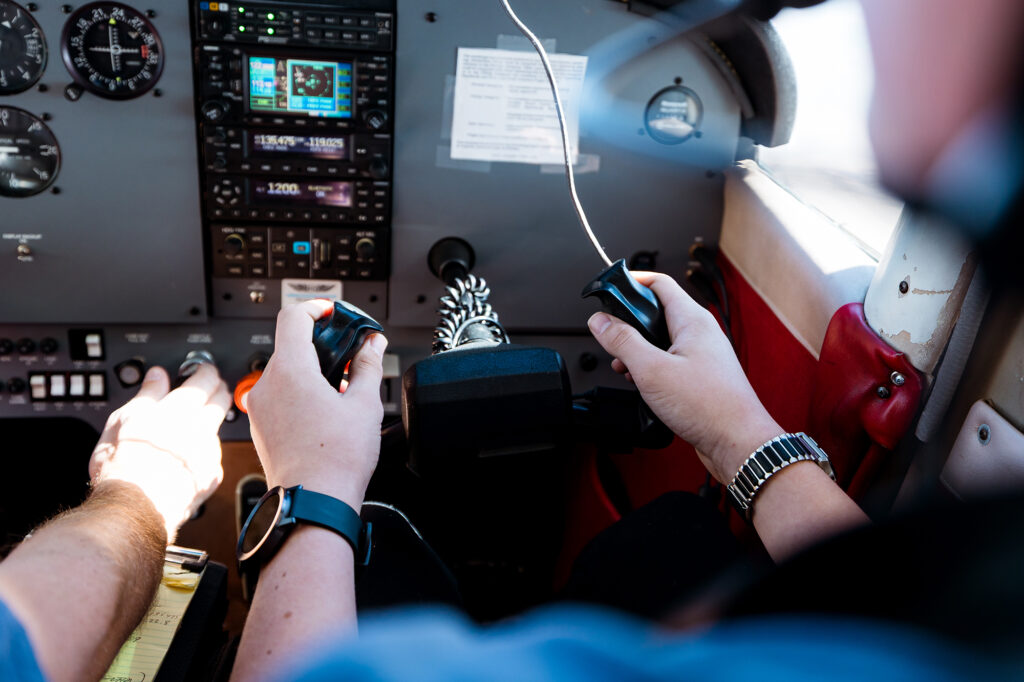
He adjusted his headset, studied the panel, and grinned wider than I’ve seen in years. Years, guys.
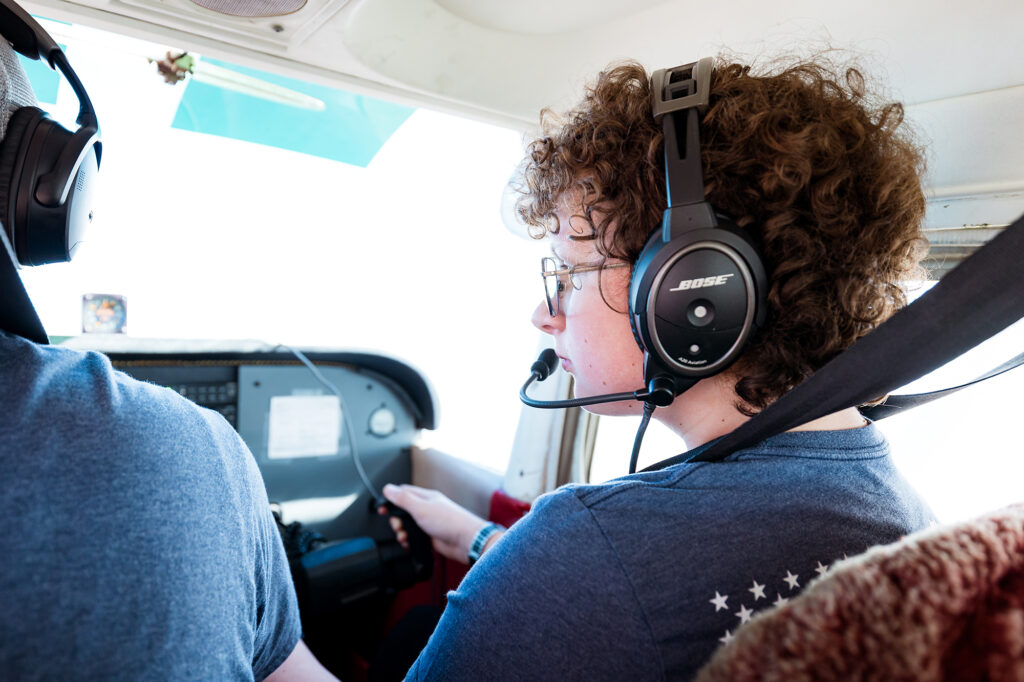
The pilot—who has a teaching background—let him handle the controls, and at one pointed turned back to me and said “This guy’s got it!”
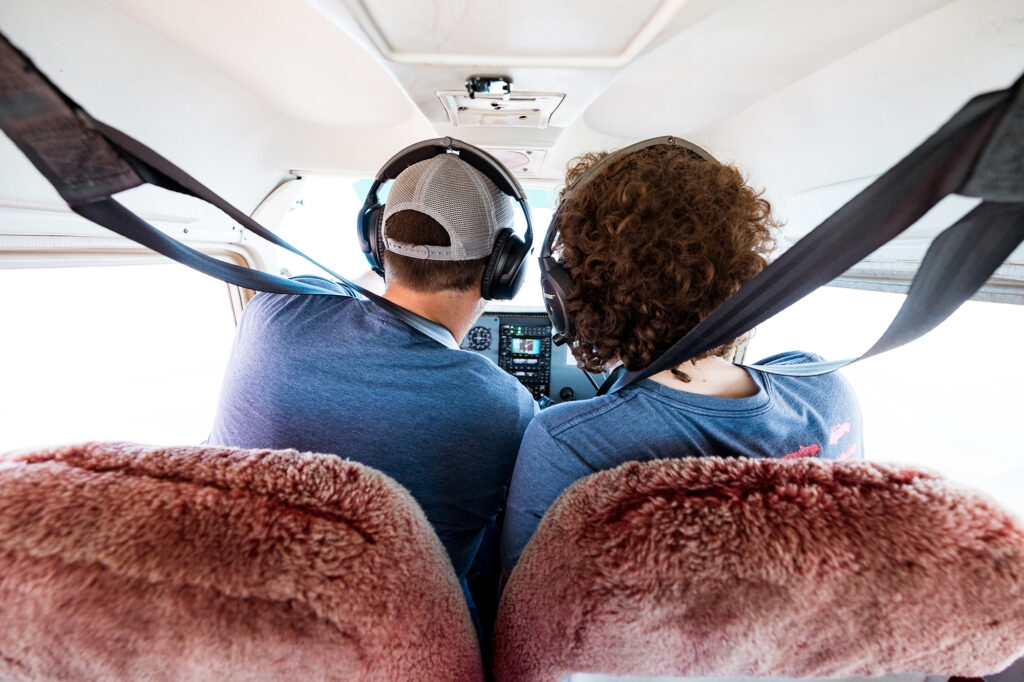
I toggled between my Canon R6 with a 14-35 mm f/2.8 L lens for pictures and my iPhone for video. I could’ve used four more hands just to take it all in. My heart was full.
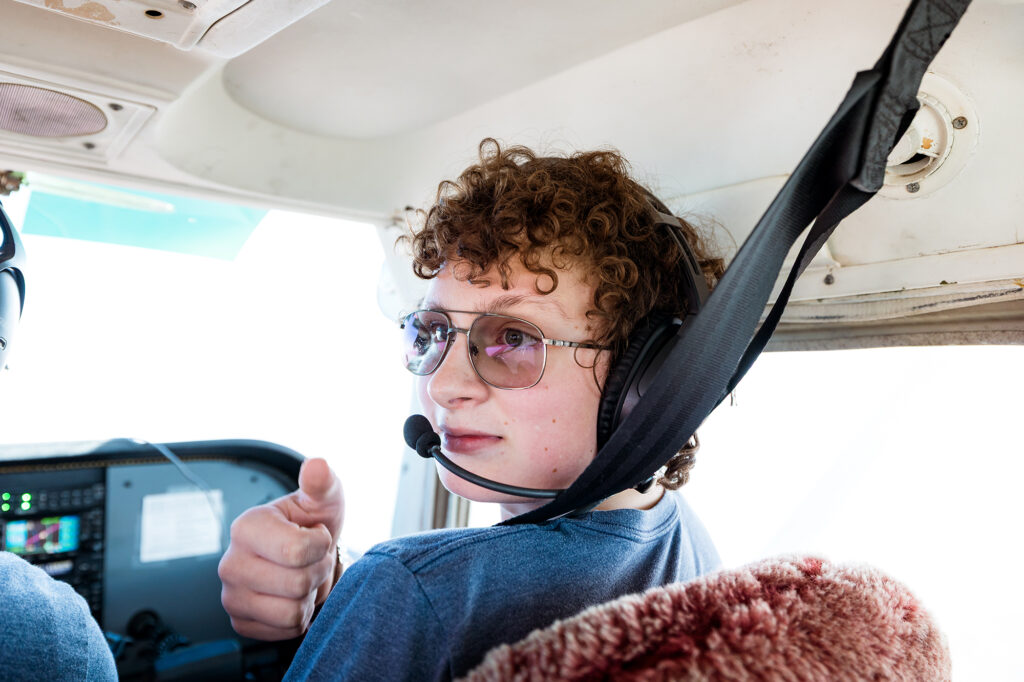
Bullseye has spent hundreds of hours in simulator apps, cutting edge games at Boulder Valley Vision Therapy but nothing compares to the real deal—the rumble underfoot, the pull of gravity, that breathtaking moment when the wheels leave the ground. The crisp air, the golden light, the kind of day you can only get in Colorado autumn. Perfect flight conditions. Perfect timing.
A Gift That Only God Could Orchestrate
I call this God’s intervention—His divine gifting in motion.
There’s a song called Farther Along by Josh Garrels that’s been echoing in my heart ever since Bullseye’s first flight:
“Farther along we’ll know all about it
Farther along we’ll understand why
So cheer up my brothers, live in the sunshine
We’ll understand this, all by and byTempted and tried, I wondered why
The good man dies, the bad man thrives
And Jesus cries because he loves em’ both…”
By worldly standards, I don’t understand why my son’s vision is limited, or why God placed such a deep love for aviation inside a boy who may never fly solo. But I do know this: God gives each of us unique ways to see—not just with our eyes, but with our hearts. It’s all for His glory & our good.
That day, watching Bullseye soar, I realized the flight wasn’t about breaking limits. It was about celebrating perseverance, gratitude, and the miracle of still being able to rise.
Capturing Milestone Moments That Matter
As a Northern Colorado photographer, I specialize in portraits that tell stories —but this flight reminded me how powerful it is to photograph milestones that don’t fit inside traditional boxes.
I love senior sessions, family portraits, and business branding work—but I also love documenting experiences that mark a moment in someone’s soul.
If you’re planning a surprise experience or ride of a lifetime—a first flight or bucket-list adventure—you can commission me to photograph it. Just reach out on my website so we can chat!
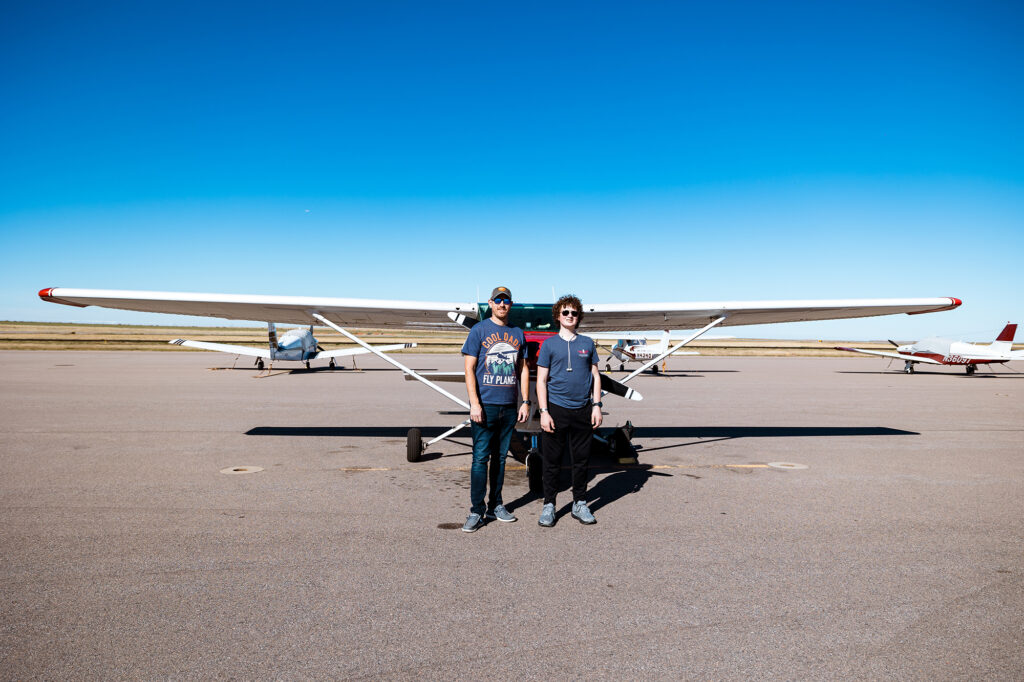
The smiles, the tears, the before-and-after moments on the tarmac—those are stories worth preserving.
And if you happen to be a private pilot, instructor, or someone building a flight school around the Front Range, I’d love to help with personal-branding photography—portraits in the hangar, lifestyle shots for your website, or images that show your passion for aviation.
From the Front Range Flight School in Watkins to the Greeley-Weld County Airport and Akron Airport—and all the small airfields scattered across northern Colorado and southern Wyoming—these are the places where passion and purpose take flight.
Behind the Lens: Why I Share This Story
I share this with my son’s full blessing. He’s proud of his experience, proud of how far he’s come, he’s not ashamed of who he is, and proud of the photographs that remind him he truly took flight.
While I won’t use his name publicly for privacy, I will say this: Bullseye inspires me daily.
About the Author
Heather Lilly is a photographer based in Northern Colorado. She loves exploring God’s creation, raising her two sons—both adult-sized now but still “kids” —and carving out time to travel and take on photography projects since 2006 that stretch her beyond her usual wheelhouse…. in other words: finding some misogi. The best way to get a hold of her is her contact page.


SHARE: